About this image
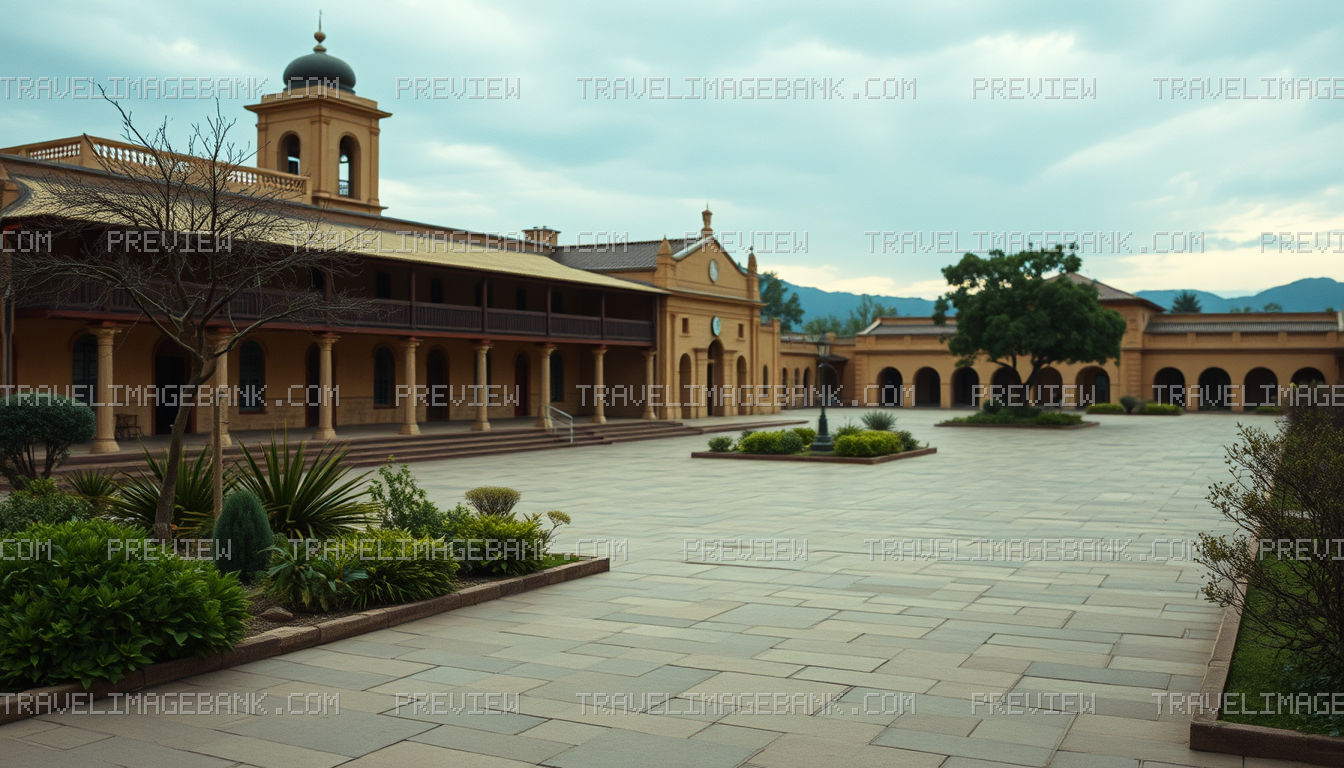
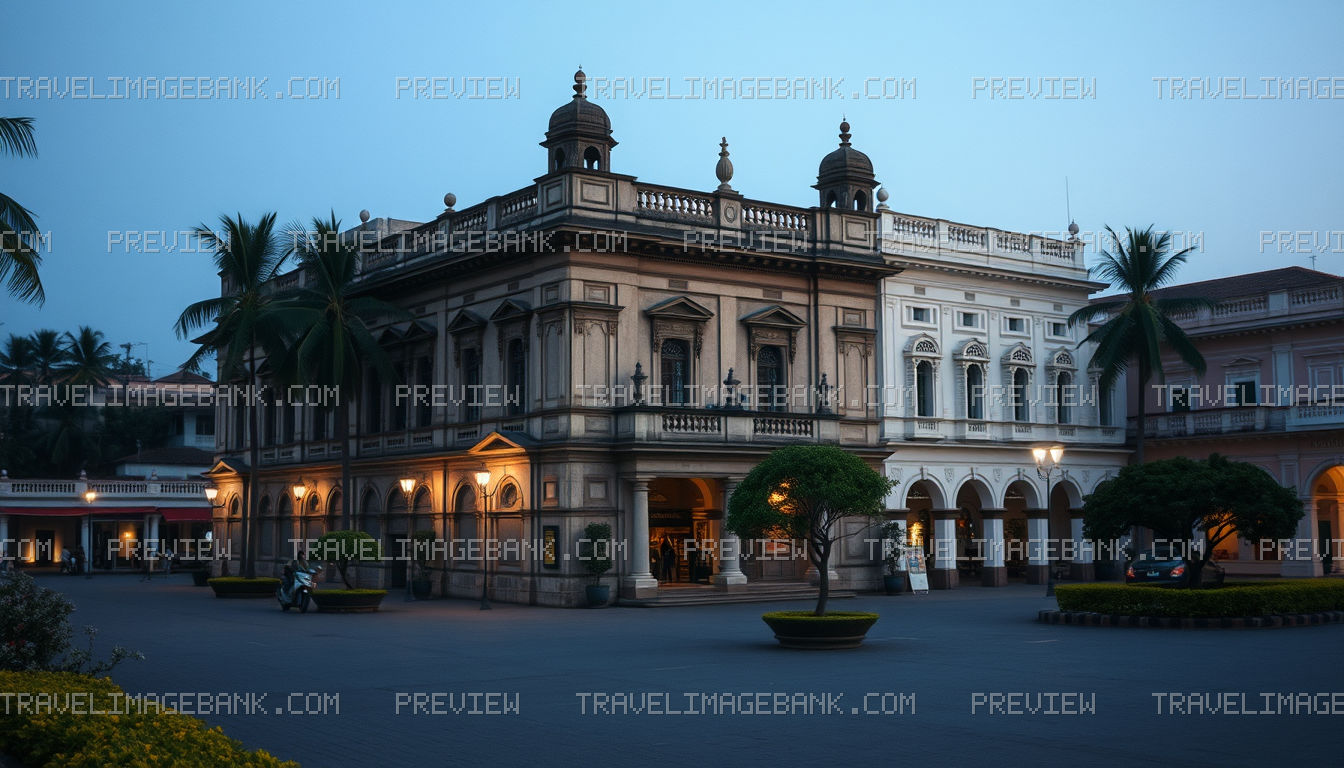
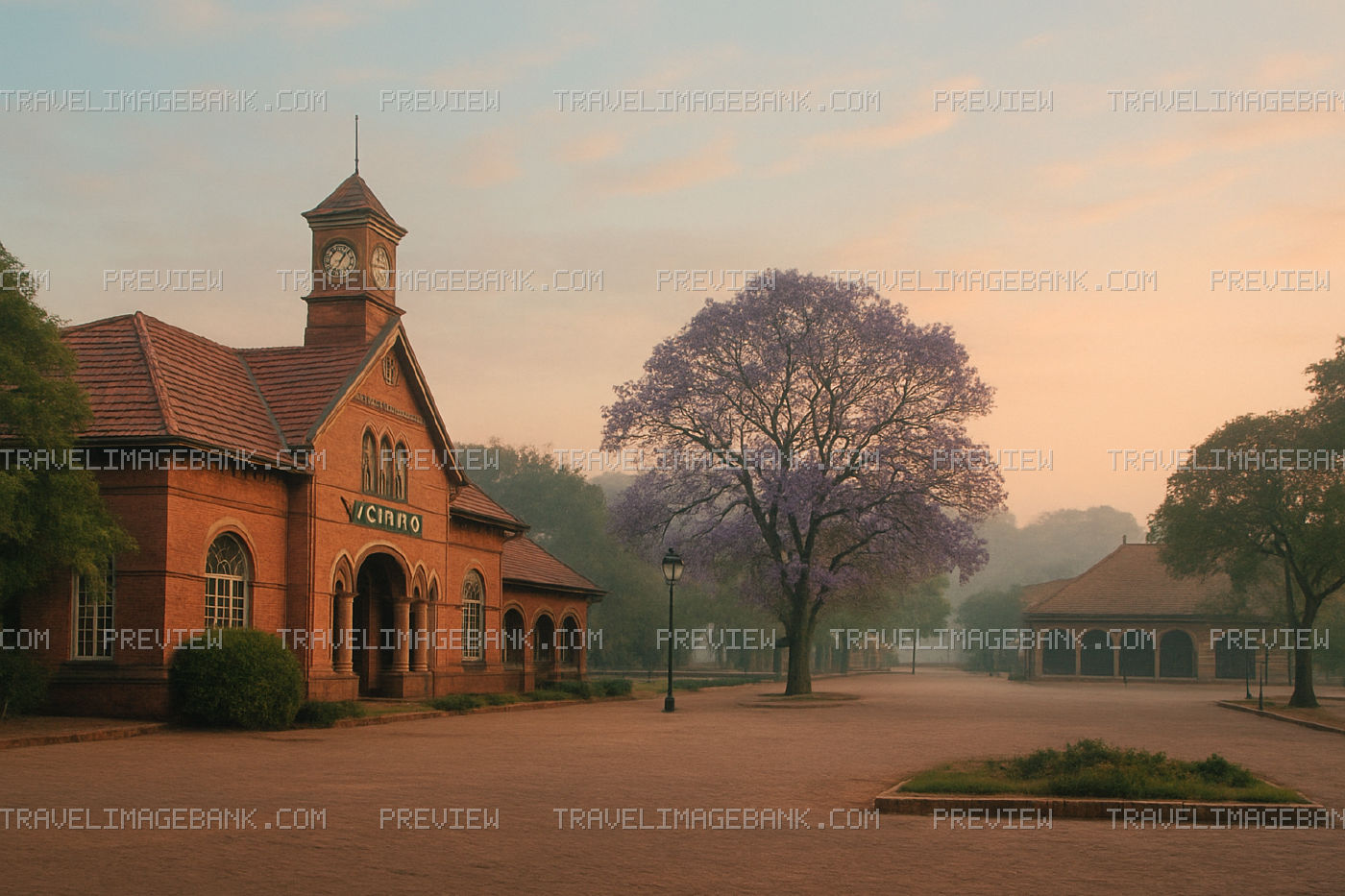
This AI-generated image presents a heritage-inspired town scene set in Victoria Falls, Matabeleland North, Zimbabwe. An empty plaza and historic-style architecture form the focus, with early morning mist softening the setting beneath a pastel sunrise. The spring dawn palette creates a quiet, contemplative mood rather than the bustle of a busy visitor hub. A wide-angle perspective and 16:9 composition leave negative space for campaign headlines or itinerary copy, while subtle grain adds an editorial feel. The scene is an illustrative interpretation, not documentary evidence of a particular historic square, building or event in Victoria Falls.
About Victoria Falls
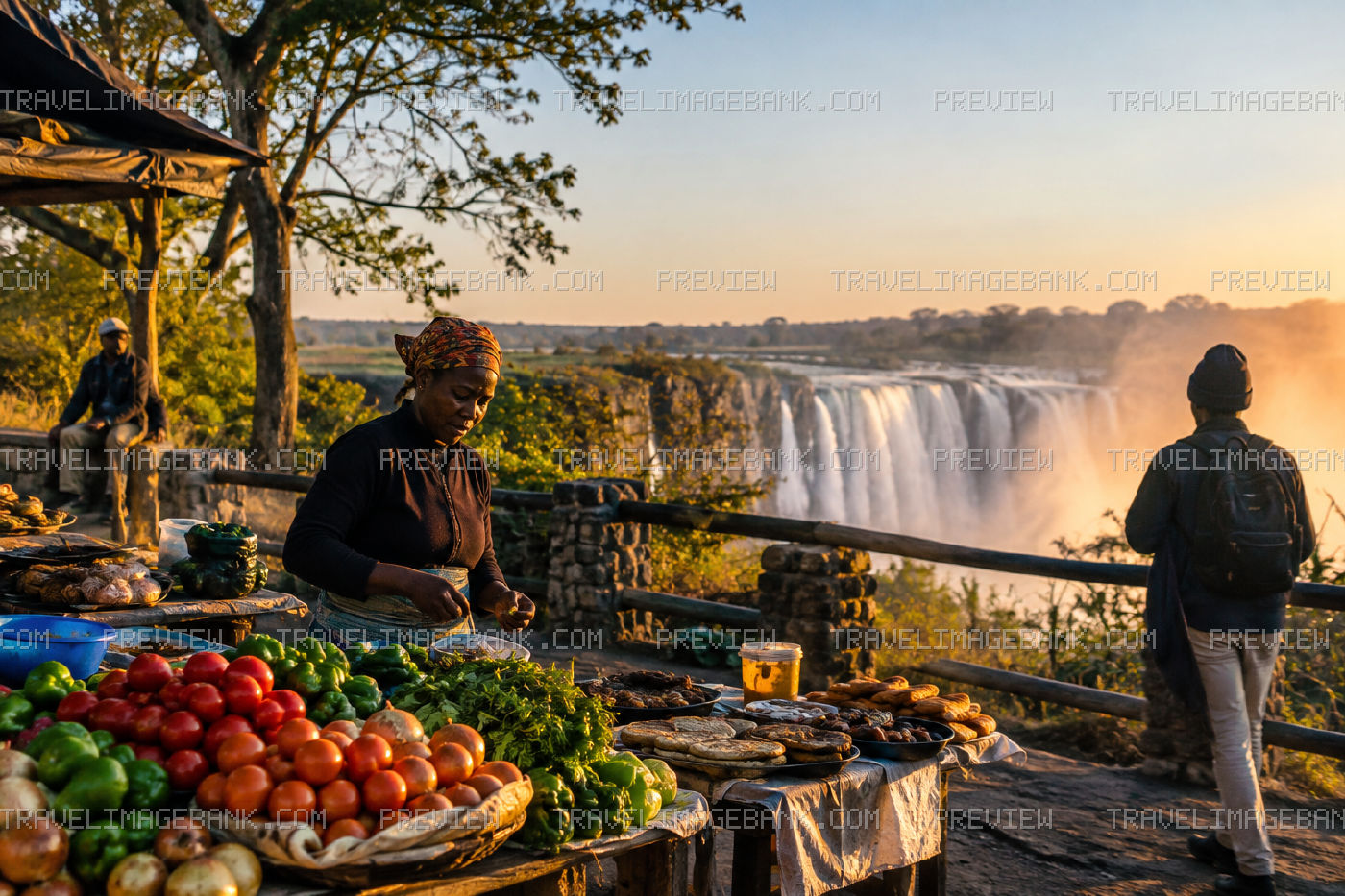
Victoria Falls is a tourism hub in Zimbabwe’s Matabeleland North province, beside the Zambezi River and the border with Zambia. Its principal attraction is the waterfall known locally as Mosi-oa-Tunya, part of the transboundary UNESCO World Heritage property. Visitors come for waterfall viewpoints, river cruises and wildlife excursions, with the historic Victoria Falls Bridge adding another dimension to regional itineraries. September to November marks spring in Zimbabwe and generally brings hot conditions, with rains often beginning in November. Waterfall flow varies seasonally: higher flows typically follow the summer rains, while later dry-season visits can offer clearer views through reduced spray.
Ideal uses for travel agencies
- Create a Victoria Falls itinerary banner using the wide composition for a headline, with the image identified as AI-generated.
- Illustrate a travel agency newsletter introducing Zimbabwe trips that combine waterfall visits with time in town.
- Use the quiet dawn scene as a background for a southern Africa travel brochure’s introductory spread.
- Build a spring travel campaign landing page with copy positioned in the image’s negative space.
- Add an atmospheric divider to a client proposal, using it as destination-inspired artwork rather than a depiction of a bookable property.
EU AI Act · Art. 50
AI-generated synthetic image. Disclosed under EU AI Act (Regulation (EU) 2024/1689) Article 50.