About this image
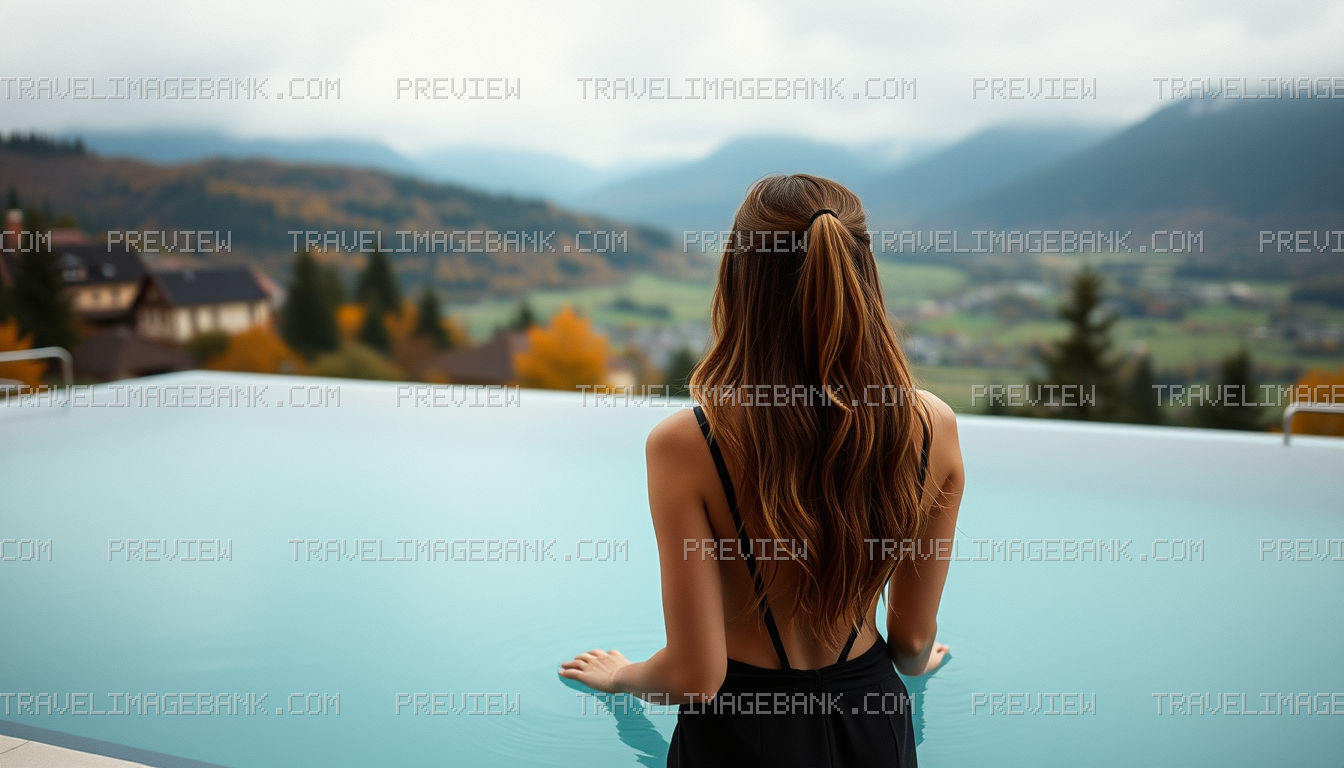
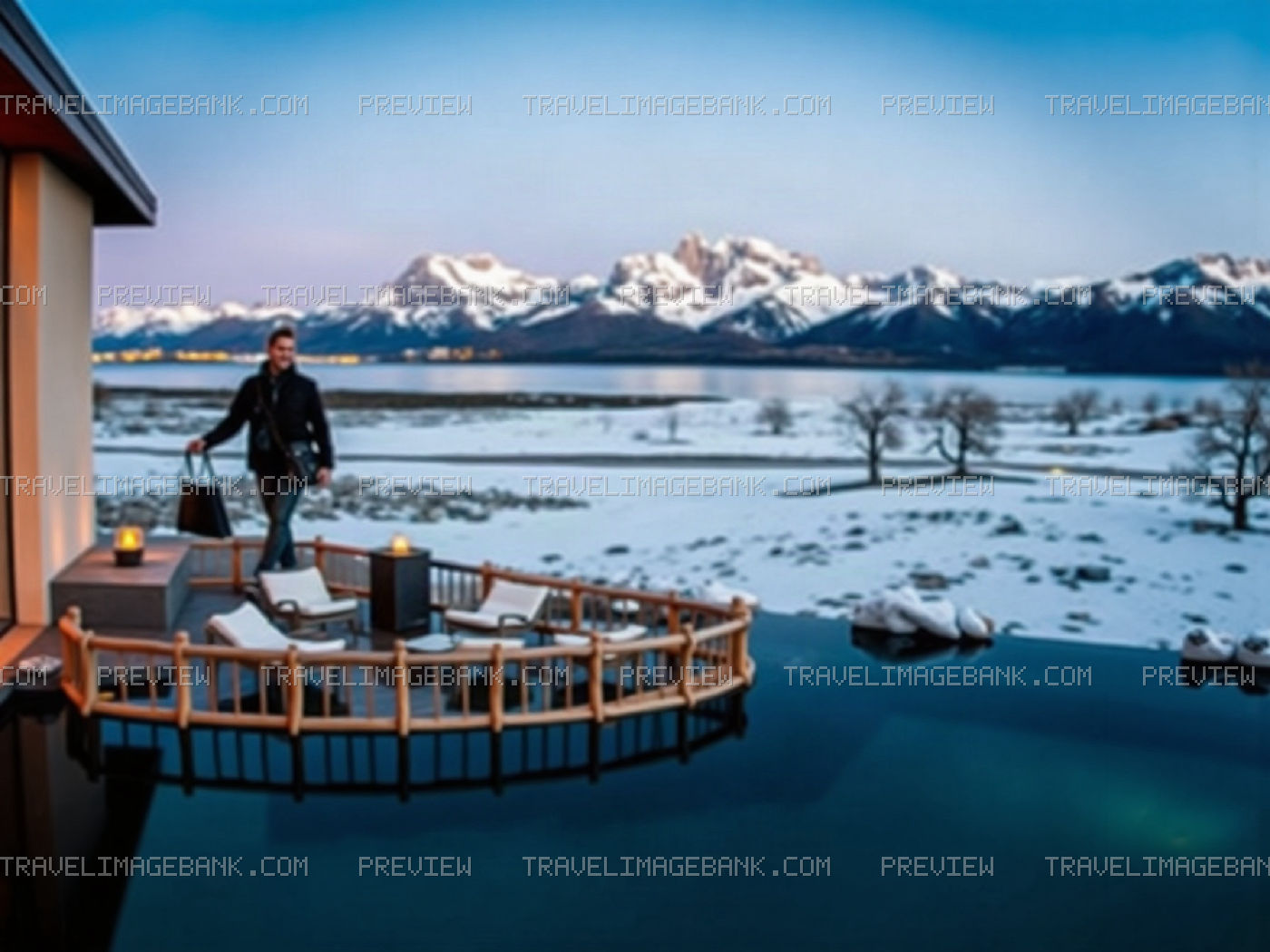
An infinity pool overlooking the Torres del Paine landscape sets a quiet, luxurious mood in this AI-generated travel image. The winter setting and blue-hour light bring a cool atmosphere to the scene, while early evening illumination suggests the comfort of a boutique hotel retreat. With no people present, attention stays on the relationship between the pool and the surrounding Patagonian landscape. The wide-angle composition offers a sense of space, and the 4:3 format includes negative space for campaign copy. Created as a destination-inspired visual rather than documentation of an actual property, it suits aspirational luxury travel storytelling.
About Torres del Paine
Torres del Paine National Park lies in Chile’s Magallanes region, in southern Patagonia. It is known for granite towers, the distinctive Cuernos del Paine, glacial lakes and landscapes that range from open steppe to mountain valleys. Hiking and wildlife watching are major reasons to visit, with guanacos among the park’s characteristic animals. The warmer months, roughly November through March, are generally favored for trekking and longer daylight hours. Winter, from June through August, offers a different atmosphere, with shorter days, cold conditions and possible snow. Seasonal services and access can be limited, so winter itineraries require careful planning.
Ideal uses for travel agencies
- Create a luxury Patagonia landing-page banner, identifying the image as AI-generated illustrative content rather than a featured hotel.
- Design a winter Chile travel newsletter with the negative space reserved for a headline and enquiry link.
- Illustrate a destination guide section about planning a quieter, comfort-focused Patagonian escape.
- Build a social media campaign introducing tailor-made Magallanes itineraries without implying that the depicted pool is bookable.
- Use the 4:3 visual in an agency presentation to establish the mood of a proposed luxury Patagonia journey.
EU AI Act · Art. 50
AI-generated synthetic image. Disclosed under EU AI Act (Regulation (EU) 2024/1689) Article 50.