About this image
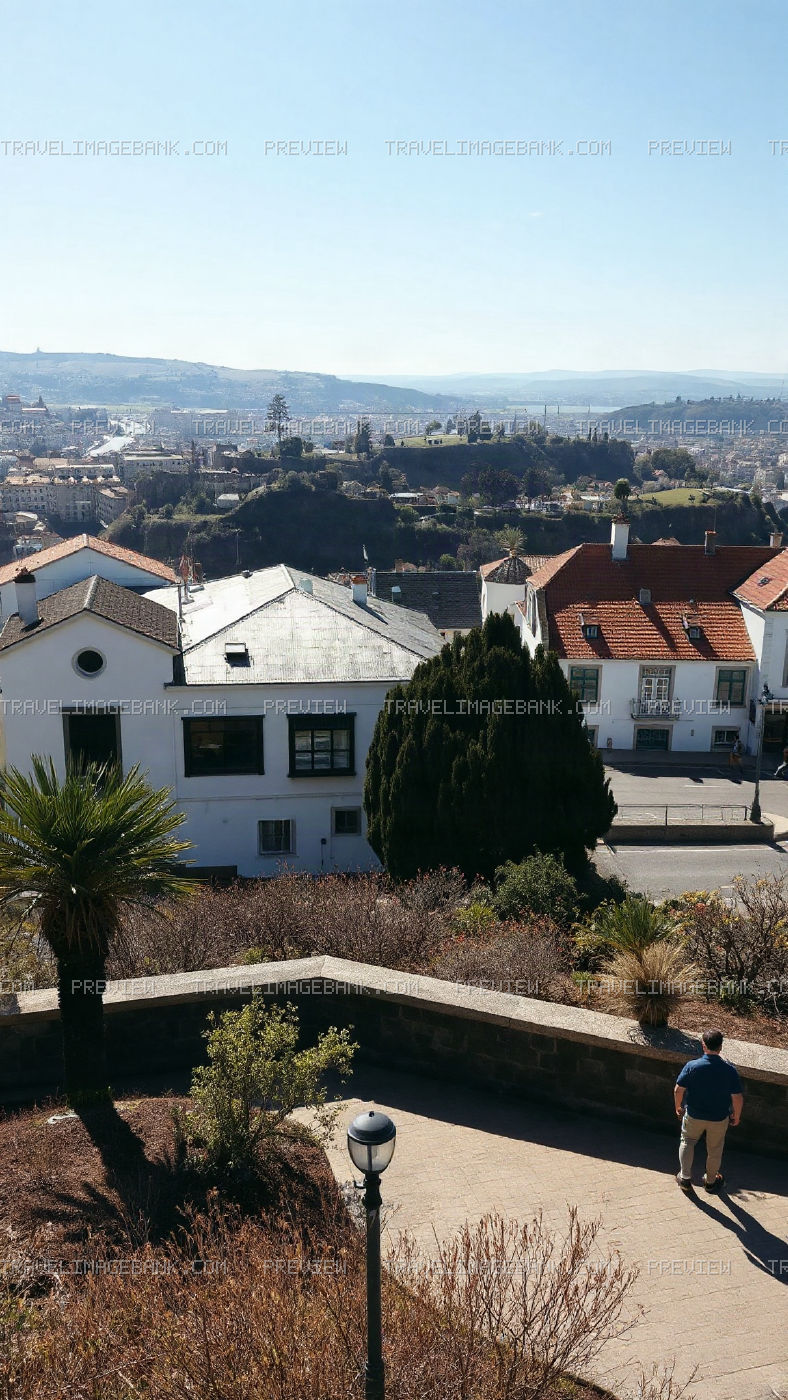
This AI-generated Prague panorama presents a quiet winter view of the Czech capital, with no people interrupting the scene. Soft, overcast light gives the composition a subdued atmosphere, while restrained color and subtle grain evoke an editorial travel aesthetic. The panoramic framing emphasizes the relationship between the city’s architecture and its surrounding landscape rather than a busy street-level experience. Presented in a 4:3 format, the image includes negative space that can accommodate campaign headlines or destination messaging. Its calm mood suits travel content focused on slower exploration, winter escapes and a reflective perspective on Prague.
About Prague
Prague, the capital of the Czech Republic, is known for its historic architecture, the Vltava River and landmarks including Charles Bridge, Prague Castle and Old Town Square. Its historic centre is inscribed on the UNESCO World Heritage List, reflecting a cityscape shaped by centuries of development. Spring and autumn are appealing seasons for walking and sightseeing, while winter offers a different setting for cultural breaks centred on museums, galleries and traditional cafés. Shorter daylight hours and cold weather make a mix of outdoor exploration and indoor visits practical. Prague appeals to travellers interested in architecture, history and urban scenery.
Ideal uses for travel agencies
- Use the panorama as a hero image for a Prague winter city-break landing page, with a headline placed in the negative space.
- Add it to an agency email promoting Czech Republic itineraries, clearly identifying the visual as AI-generated.
- Pair it with factual destination copy in a digital brochure covering Prague’s architecture and cultural attractions.
- Create a social media graphic introducing winter travel planning tips for Prague.
- Use it as an atmospheric background for a Central Europe itinerary presentation rather than as evidence of a specific viewpoint or tour experience.
EU AI Act · Art. 50
AI-generated synthetic image. Disclosed under EU AI Act (Regulation (EU) 2024/1689) Article 50.