About this image
Warm winter light sets a quiet tone in this AI-generated luxury hotel scene set in Lisbon, Portugal. An infinity pool overlooks the surrounding landscape, with no people interrupting the composition. Low sunlight from the side brings a golden-hour glow to the setting, balancing the pool’s leisure appeal with a calm winter atmosphere. The wide 16:9 layout leaves negative space for campaign headlines or promotional copy. Natural-looking depth of field, subtle grain and restrained colour give the image an editorial travel-magazine feel. Rather than documenting a named property, it offers an illustrative setting for Lisbon boutique-hotel and luxury city-break marketing.
About Lisbon
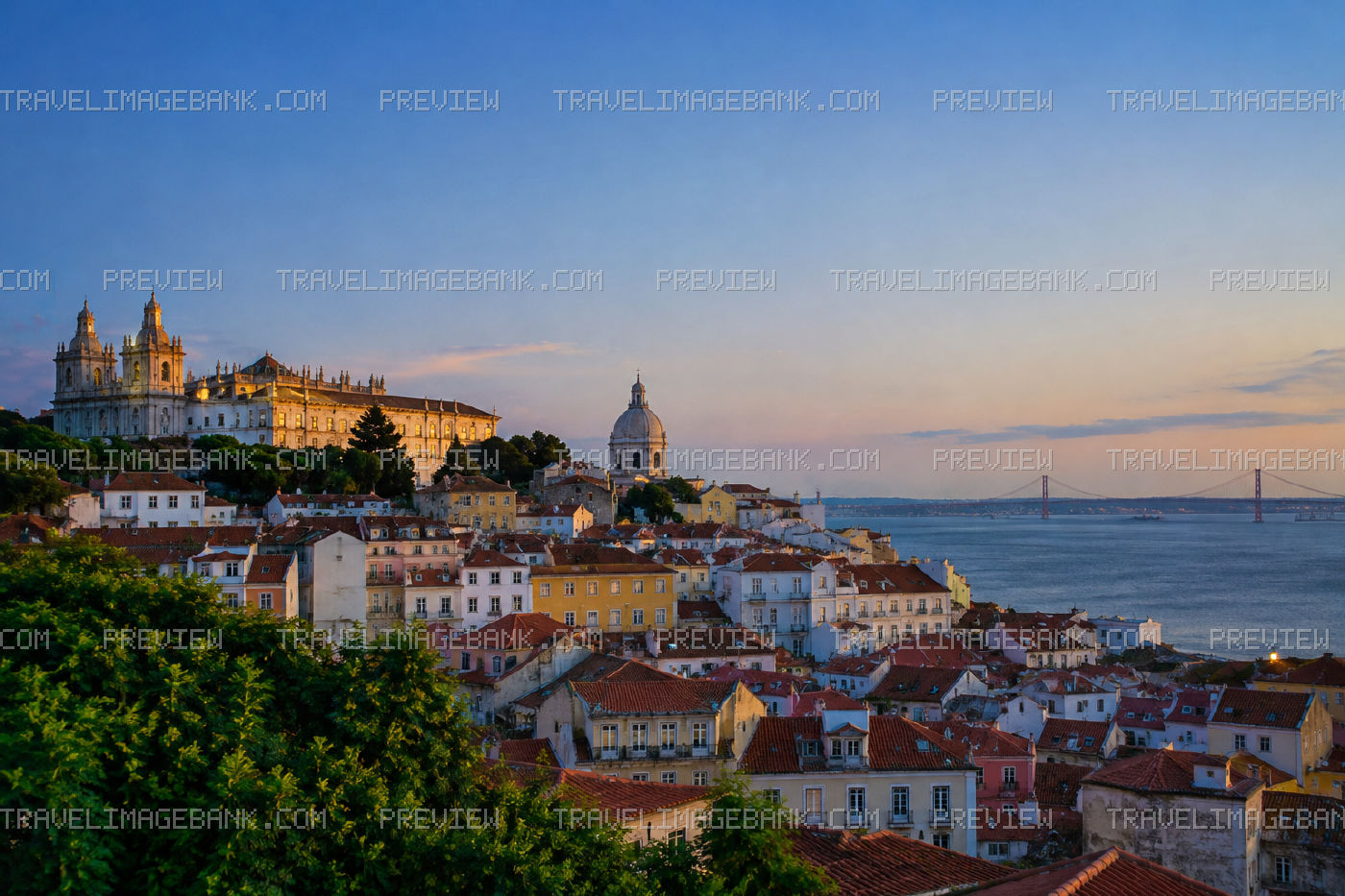
Lisbon, Portugal’s capital, sits beside the Tagus estuary and is known for its hilly streets, tiled façades and historic neighbourhoods such as Alfama. Belém draws visitors to landmarks including the Jerónimos Monastery and Belém Tower, while the city’s food culture includes pastéis de nata and seafood. Spring and autumn generally suit walking-focused city breaks, offering milder conditions than the height of summer. Winter brings cooler weather and a greater chance of rain, making indoor cultural visits a useful part of an itinerary. For luxury travel planning, Lisbon combines urban sightseeing, dining and access to the nearby coast around Cascais.
Ideal uses for travel agencies
- Create a widescreen hero banner for a Lisbon luxury city-break landing page, identifying the image as an AI-generated illustration.
- Add a headline in the negative space for an agency email promoting winter escapes to Portugal.
- Use the image as a mood-setting backdrop in a bespoke Lisbon itinerary proposal, separate from confirmed hotel photography.
- Design a social media advert introducing boutique-hotel holidays without presenting the pool as a verified property amenity.
- Illustrate a travel agency blog about planning a relaxed Lisbon break with an explicitly labelled AI-generated visual.
EU AI Act · Art. 50
AI-generated synthetic image. Disclosed under EU AI Act (Regulation (EU) 2024/1689) Article 50.