About this image
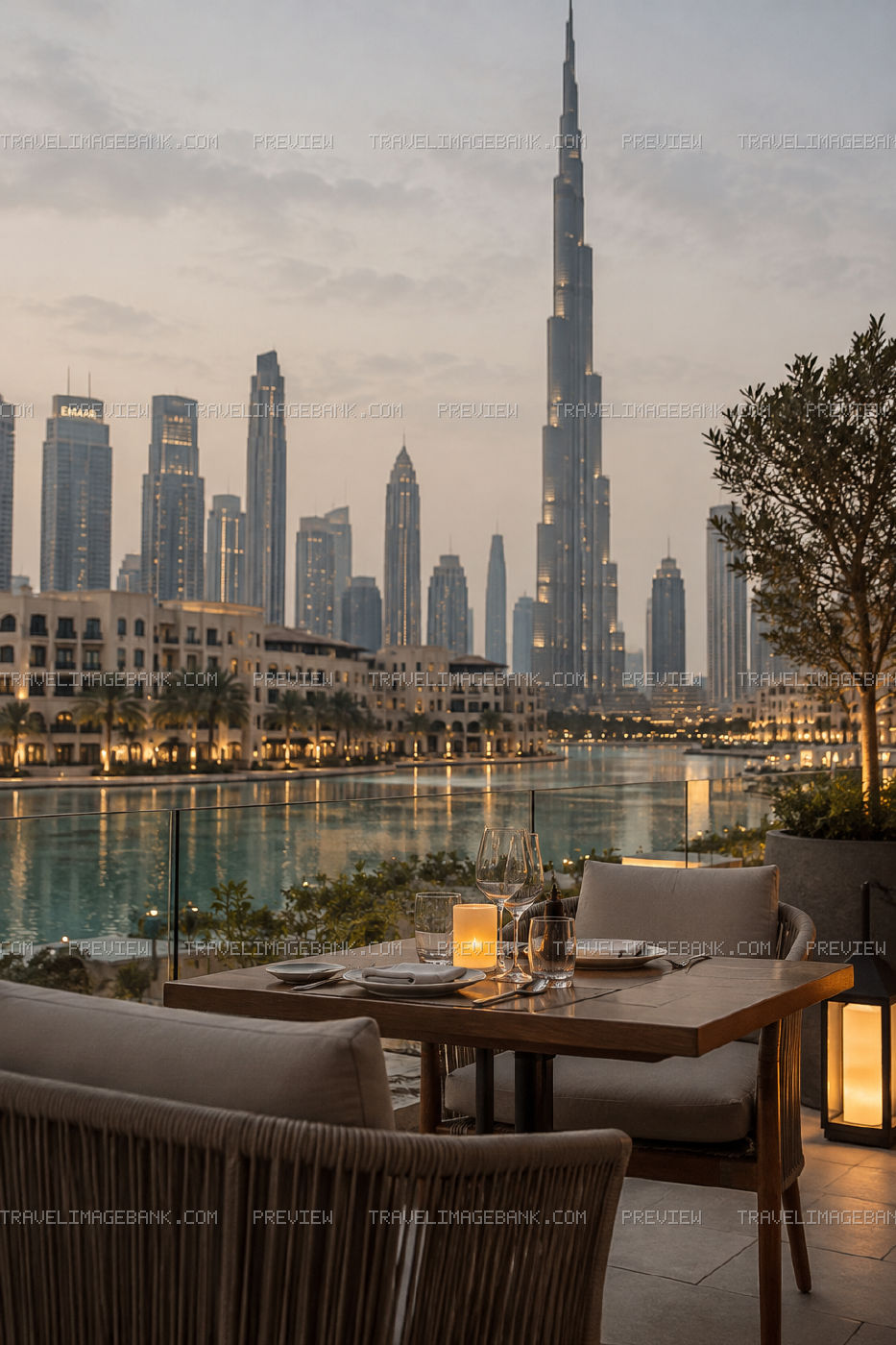
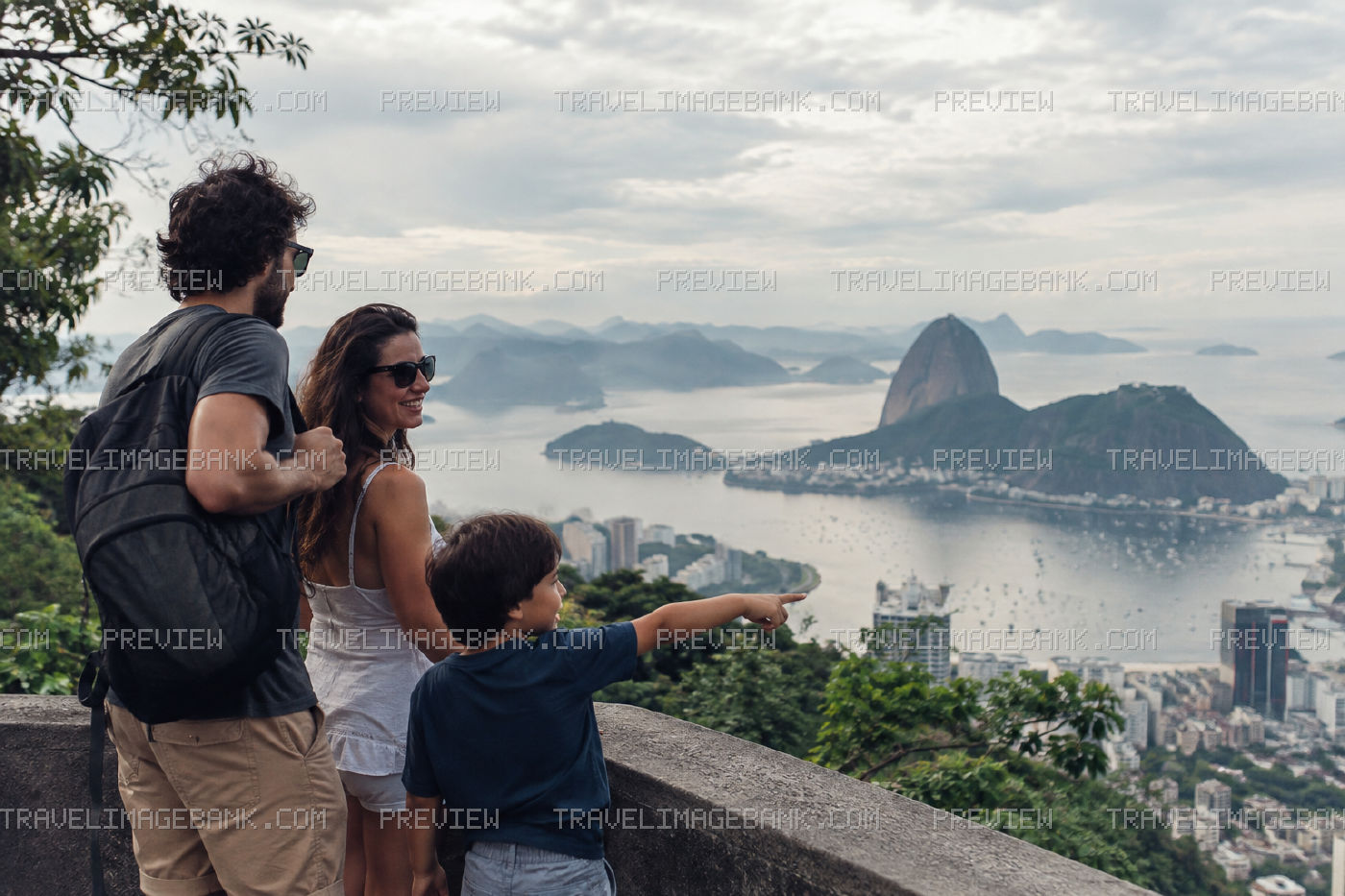
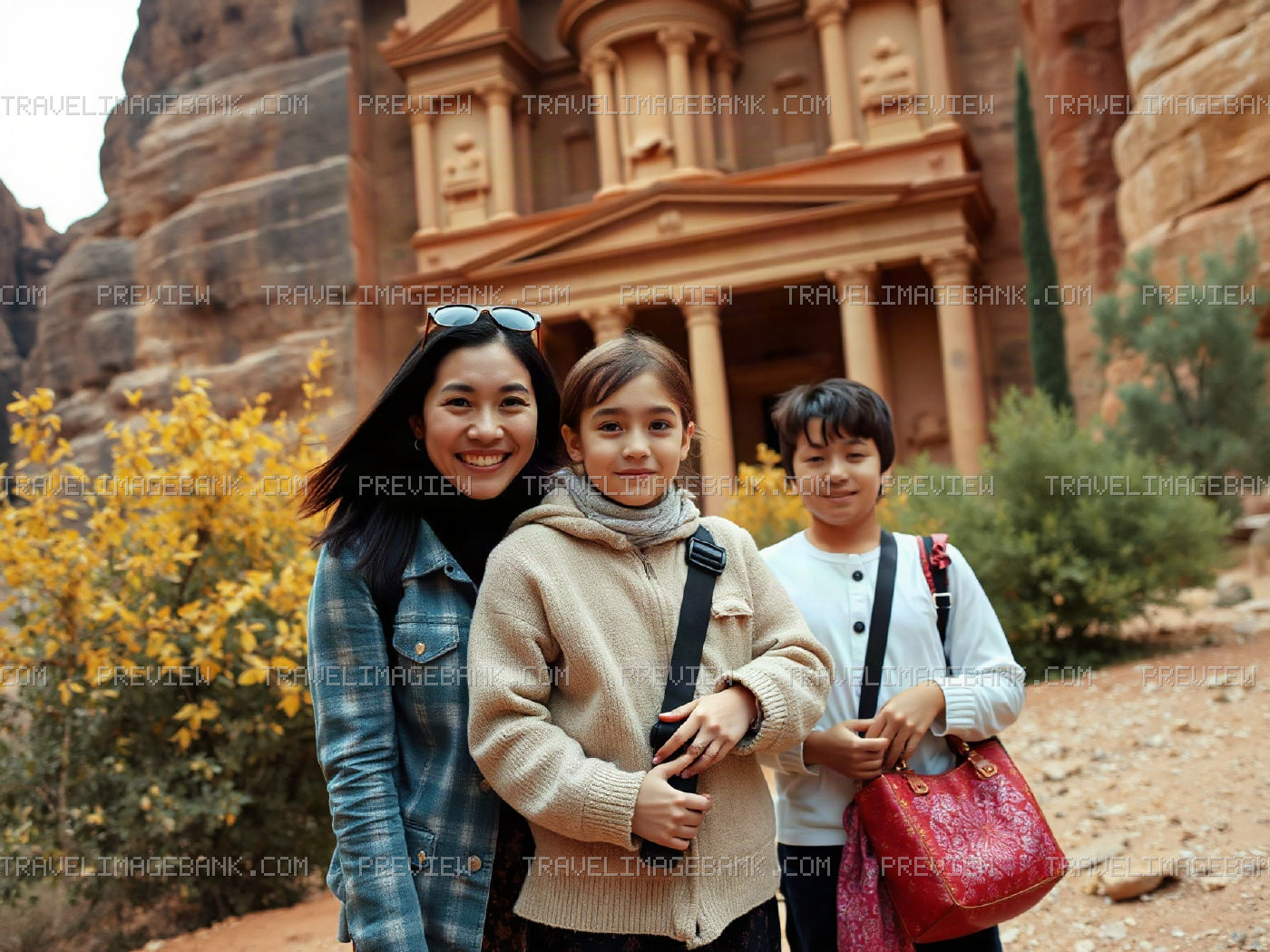
This AI-generated travel image depicts a family exploring Dubai together, with a joyful, candid-style mood suited to family holiday storytelling. Warm golden-hour light comes from the side, giving the spring scene a welcoming atmosphere and a sense of shared discovery. The wide 16:9 composition leaves negative space for headlines or promotional copy, while the family remains the central subject. A wide-angle perspective, natural-looking depth of field and subtle grain evoke an editorial travel-magazine aesthetic. Created as an illustrative travel scene rather than documentation of a real outing, the image offers a family-focused visual for Dubai destination marketing.
About Dubai
Dubai, in the United Arab Emirates, is known for its modern skyline, Arabian Gulf coastline and contrasts between contemporary developments and older trading districts. Family itineraries can combine beach time with attractions such as Dubai Aquarium, Dubai Parks and Resorts, or a boat ride across Dubai Creek. The cooler months, generally November through March, are particularly appealing for outdoor sightseeing. Early spring can also suit city exploring, though temperatures rise as summer approaches. Beyond its towers and shopping malls, Dubai offers traditional souks, waterfront walks and desert excursions, giving travel agencies several distinct themes for family-focused holiday packages.
Ideal uses for travel agencies
- Use the wide image as a hero banner for a Dubai family holiday landing page, with a headline placed in the negative space.
- Feature it in an email campaign promoting early-spring family itineraries to Dubai.
- Add it to a digital brochure introducing Dubai beach, city and attraction packages for families.
- Use it as an illustrative backdrop for a travel agency presentation about family travel in the United Arab Emirates.
- Pair it with clearly labeled destination inspiration content rather than presenting the depicted family as actual customers.
EU AI Act · Art. 50
AI-generated synthetic image. Disclosed under EU AI Act (Regulation (EU) 2024/1689) Article 50.