About this image
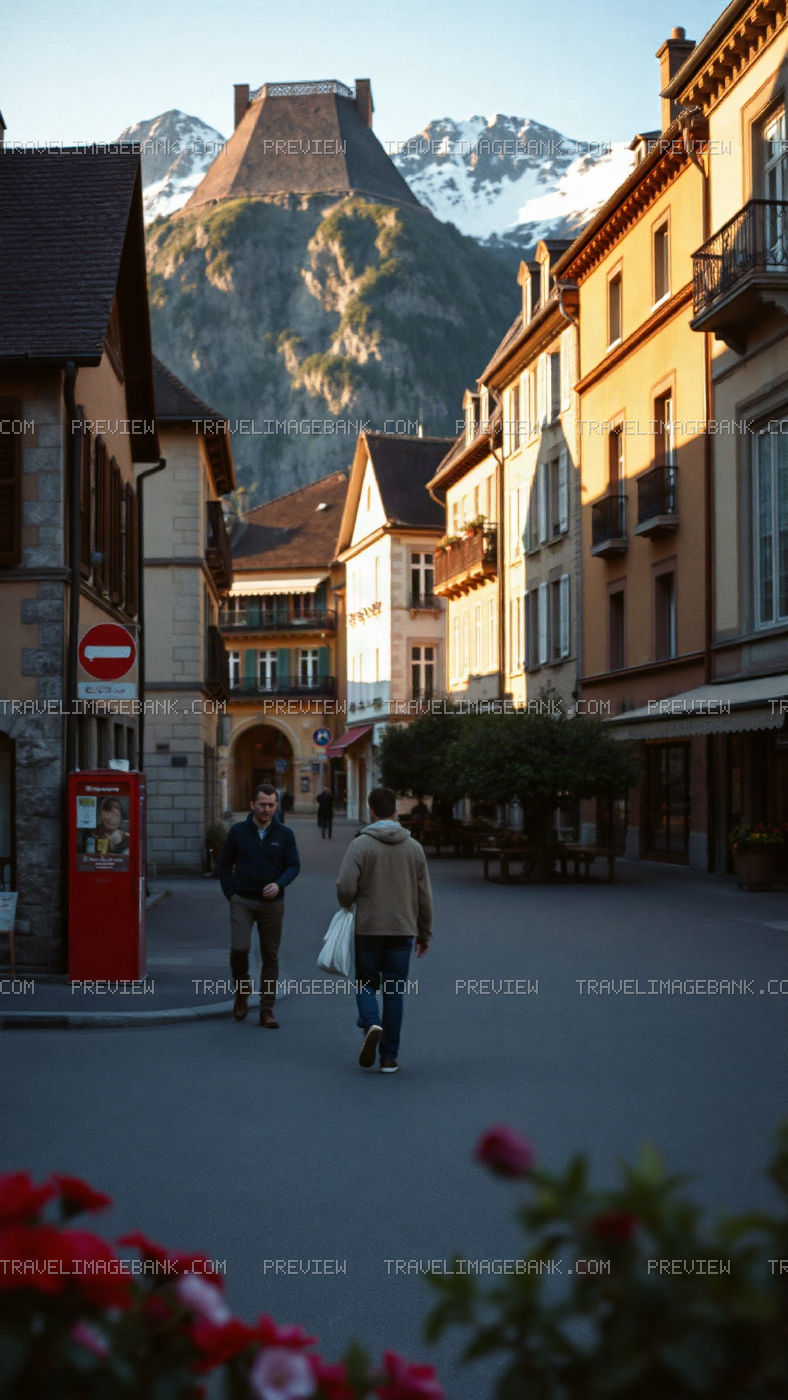
This AI-generated travel image depicts a quiet plaza and historic architecture in Chamonix, France, at spring dawn. Low, warm light falls from the side, giving the buildings gentle definition while preserving a calm, understated palette. The people-free setting keeps attention on the townscape rather than activity, supporting a culture and heritage theme. Subtle grain and soft tonal grading lend the scene an editorial feel without heavy saturation. Its vertical 9:16 composition includes negative space for copy, making it adaptable for mobile campaigns and portrait layouts. The overall mood is peaceful, suggesting an unhurried morning in an Alpine town.
About Chamonix
Chamonix lies in the French Alps, in Haute-Savoie within the Auvergne-Rhône-Alpes region, beneath the Mont Blanc massif. The town is closely associated with mountaineering and hosted the first Winter Olympic Games in 1924. Its appeal extends beyond winter sports: visitors also come for mountain scenery, walking, cable-car excursions and the atmosphere of its town centre. The most suitable season depends on the itinerary. Summer generally suits hiking, while winter draws skiers. Spring brings a transition between seasons, with snow often remaining at higher elevations and access dependent on conditions. Town-based visits can complement mountain excursions, with seasonal opening schedules worth checking.
Ideal uses for travel agencies
- Create a vertical social advertisement for a Chamonix spring itinerary, using the negative space for a short headline.
- Use the image as a brochure panel introducing Chamonix town-centre visits alongside Alpine excursions.
- Add a portrait visual to a travel agency landing page promoting tailored holidays in the French Alps.
- Illustrate an email campaign focused on quieter town experiences and cultural stops in Haute-Savoie.
- Build a mobile itinerary cover for a Chamonix stay, identifying the visual as AI-generated rather than documentary photography.
EU AI Act · Art. 50
AI-generated synthetic image. Disclosed under EU AI Act (Regulation (EU) 2024/1689) Article 50.


